
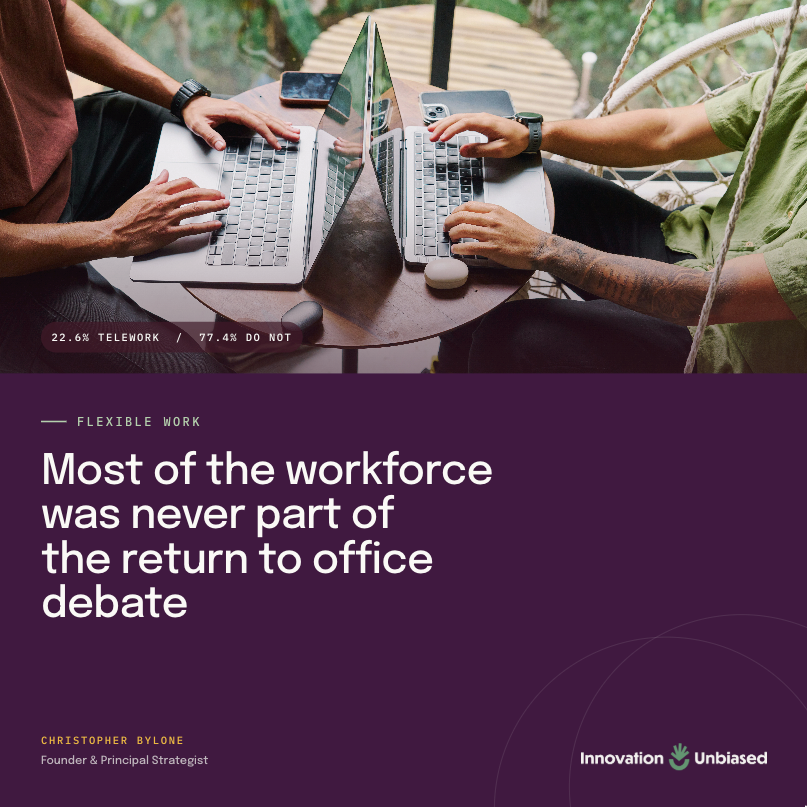
Most of the workforce was never part of the return to office debate
Flexibility was not a policy. It was a favor. Behind a cash register, I learned that a schedule bends only when someone nearby volunteers. Five years into the return to office argument, most of the workforce is still waiting for the schedule to bend. The question was never who gets to work from home. It is which roles require presence, and what we owe everyone whose answer is yes.
Your HR System Is Quietly Teaching People You Do Not See Them
I recently joined the Senior Executive HR Think Tank to answer a deceptively simple question. What is the hidden cost of maintaining HR systems that are misaligned with how work really gets done?
My answer was four words. Garbage in, dashboard out.
The full panel named the bill with precision. The cost is financial. The cost is operational. The cost is cultural. I stand by every layer of that diagnosis. I want to spend this article one floor beneath it, in the place the conversation pointed toward and did not have room to enter.
Underneath every workaround sits a message. Your system is sending it whether you intended to or not.
Your AI Investment Will Compound or Collapse on One Question: Do People Still Know They Matter?
Belonging is the leading indicator of whether your AI investment compounds or collapses. Here is how to measure it, without a new platform or a once-a-year survey.
Senior Executive gathered eight members of its HR Think Tank to answer one question: how do you measure whether artificial intelligence is actually working alongside your people? Seven of us reached for a measure of output.
I gave a different answer. Belonging is the KPI.
A provocation is only useful if someone can act on it. So this is the part the quote did not have room for. Belonging is the measure. The harder question is how you measure it. That is what follows.
Plant It Anyway: Leading Belonging on a Timeline You Will Not See
I have watched leaders nod along to the case for belonging, agree with every word, and then stall on one quiet calculation. They lean back. They lower their voice. And they say some version of the same sentence: “If we invest in this now, I may not be here in three to five years to see it pay off.”
I understand the fear inside that sentence. I want to answer it honestly.
I was a guest again on Positive Talk Radio, in conversation with Kevin McDonald and his co-host Brichelle. We covered a lot of ground. The part I keep returning to is the timeline, because the timeline is where most belonging work quietly goes to die.
Stop Calling Them Soft Costs. Start Making Them Visible.
A host asked me the question I have heard in a hundred boardrooms. He framed it around the P&L: lower turnover, higher productivity, money to the bottom line. Then he asked how a leader actually gets there. When I answered, he told me that no one had ever answered it that way before.
I want to give you the full answer.
I was back on Positive Talk Radio recently, in conversation with Kevin McDonald and his co-host Brichelle. The show makes room for real dialogue rather than sound bites, and this exchange went somewhere most business conversations avoid. It went to the money nobody books.
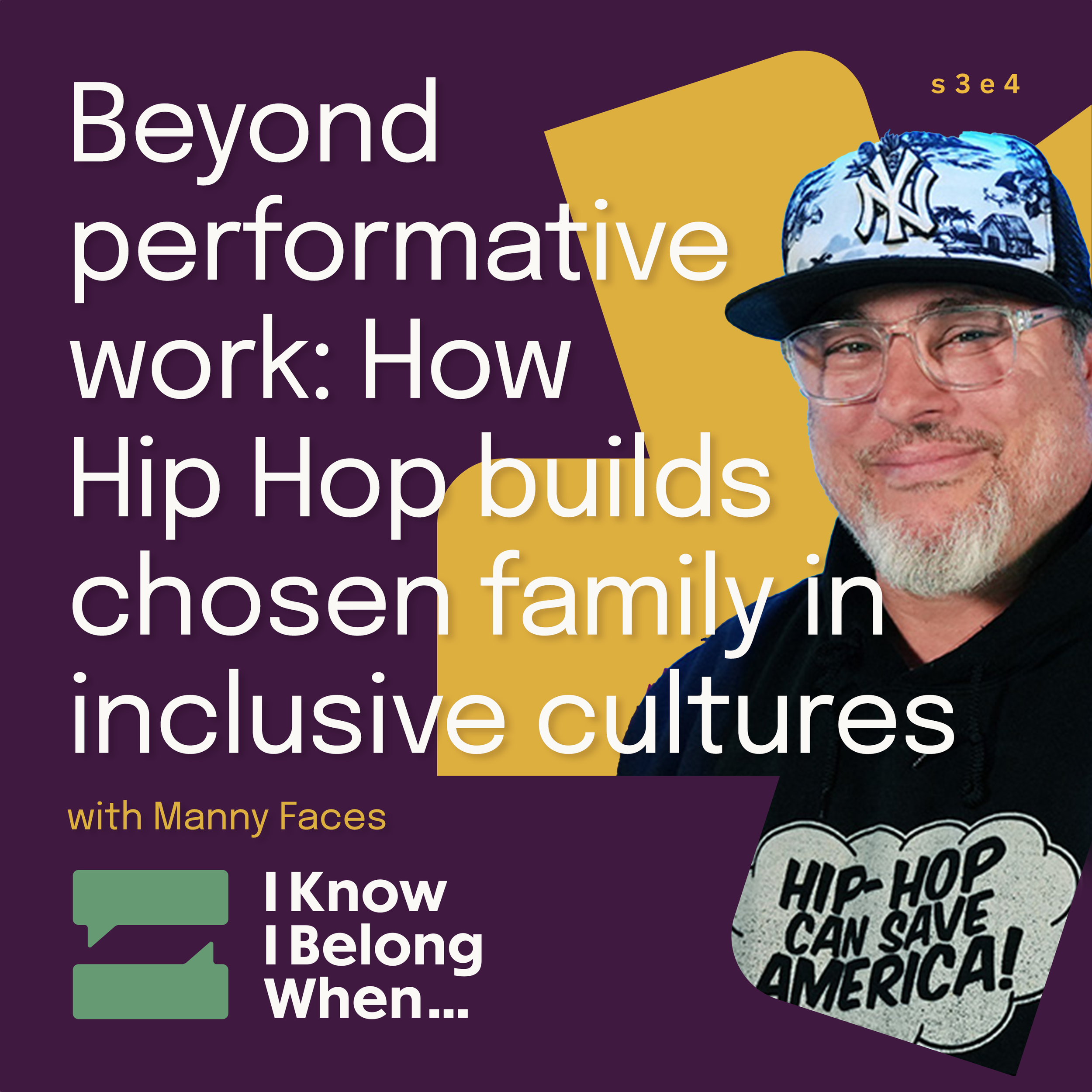
Manny Faces: Chosen Family, the Cipher, and Real Inclusion
In this episode of I Know I Belong When..., host Christopher Bylone sits down with Manny Faces, journalist, TEDx speaker, DJ, podcast architect, cultural strategist, and author of Hip Hop Can Save America!, to explore what hip hop teaches leaders about building human-centered cultures. Manny reframes hip hop as a full culture rather than a music genre and uses the cipher (a circle where artists trade rhymes as equals) to describe how respect, contribution, and presence create the conditions for people to feel they belong. The conversation is honest about credential gatekeeping, heritage-month tokenism, and the difference between studying a culture and being stewarded by its people. The result is a vocabulary that connects intersectional representation and the removal of systemic barriers to the lived feeling of being valued at work.
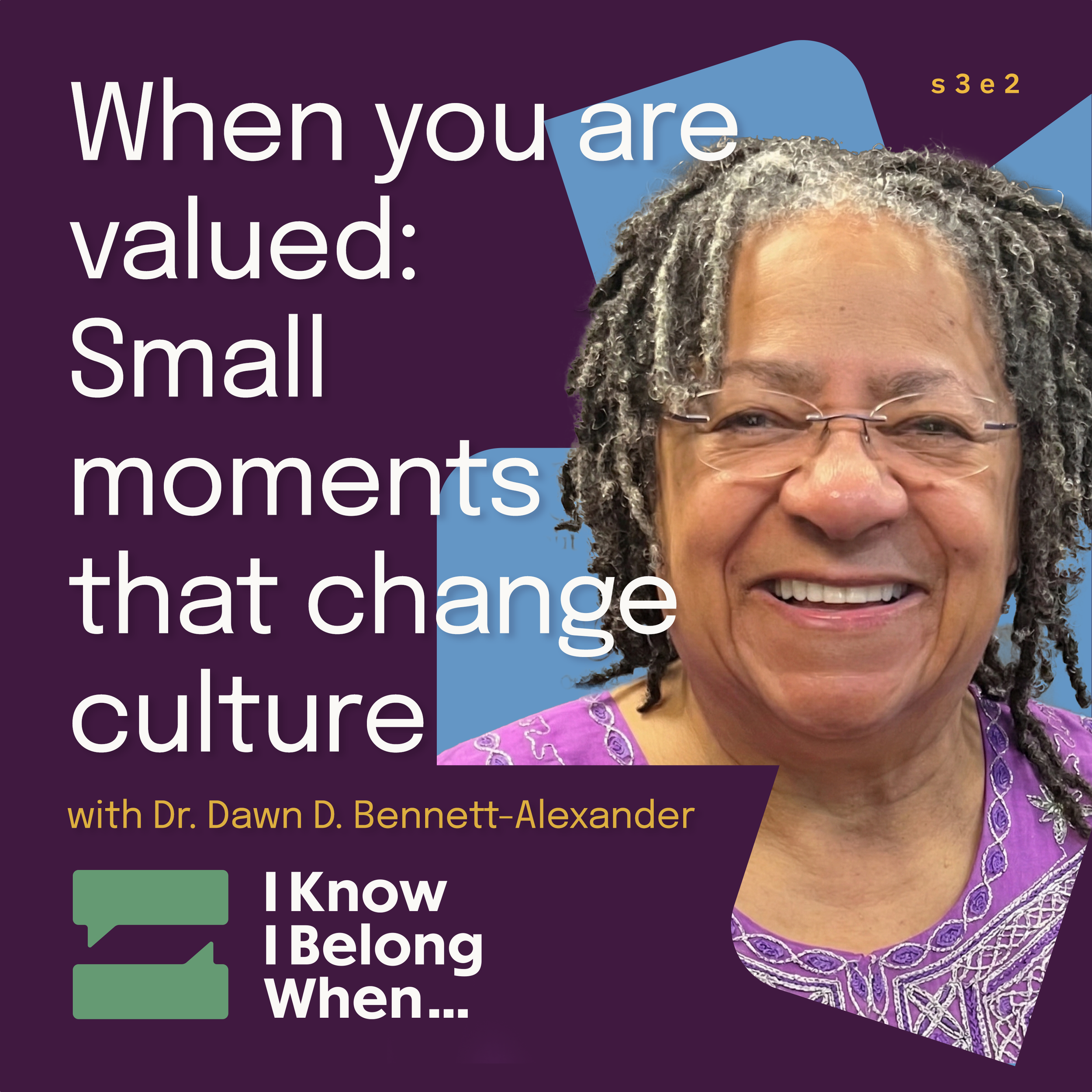
Dr. Dawn D. Bennett-Alexander: Small moments that change culture
Dr. Dawn D. Bennett-Alexander has spent decades translating justice into everyday practice, from creating the first employment law course in colleges of business to helping shape global DEIB standards adopted across more than 160 countries. In this episode, she reveals that inclusive behavior is built through small, deliberate moments: how you greet a server, how you teach a student to see their own bias, and how you leave a room better than you found it. When leaders model actions that empower contribution, honor intersectional lived experiences, remove systemic barriers, and design adjustments so everyone can succeed, the result is a culture where people prosper, thrive, and bring their bold, authentic selves forward.
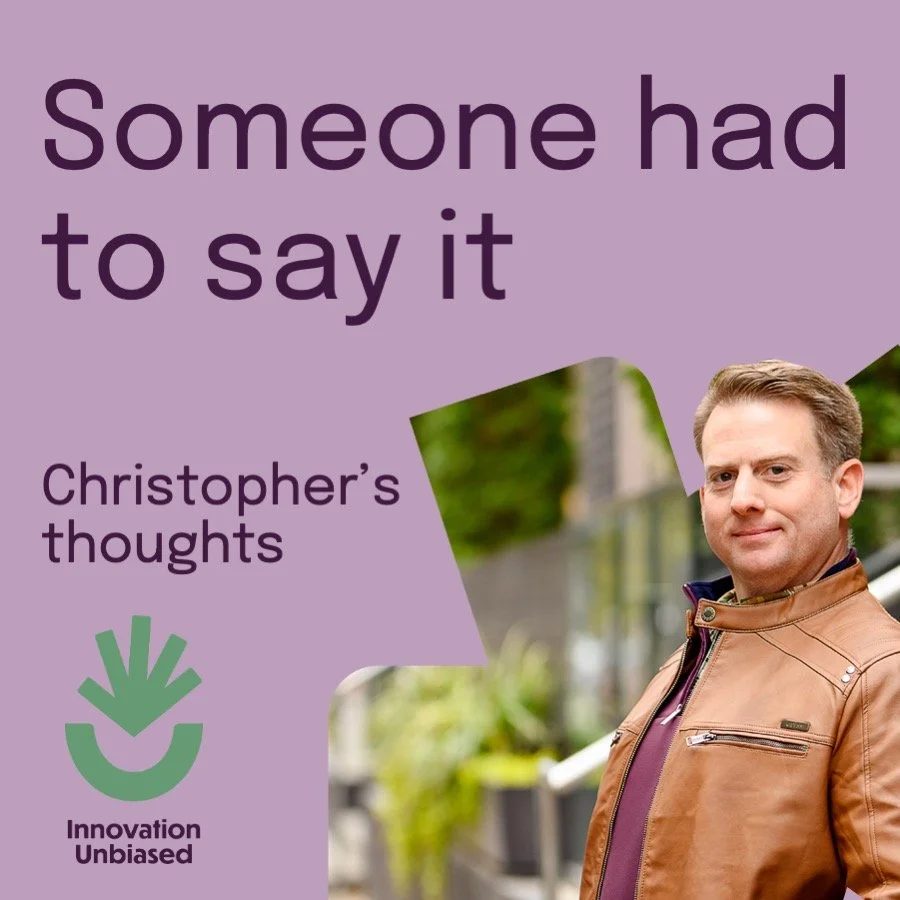
The dignity of people
What does dignity look like in the workplace? In this episode of Unfiltered Conversations with Michael Yearby, belonging strategist Christopher Bylone explores how a childhood lesson on a southern New Jersey farm shaped his approach to inclusive leadership, kind accountability, and why belonging is knowing, not feeling. From the difference between a person and a behavior to why your First Amendment rights stop at your employer’s door, this conversation redefines what it means to build a culture where every person knows they belong.
Your Healthcare Cost Decisions Are Belonging Decisions
A panel of HR leaders was handed a familiar question. Healthcare costs keep climbing. How do you hold onto a competitive benefits offering without overwhelming the budget? I gave one answer that I want to sit with longer than a panel format allows.
Cost shifting to employees is the path of least resistance. It is also the most expensive long-term strategy an organization can choose.
I stand by the math. What I want to examine is what that math is actually measuring.
The panel named the tactics. The question underneath went unspoken.
The Backlash Is Making Me a Better Practitioner. Here Is What That Costs.
In a recent conversation on the show I Love Gay Today, I said something that surprised me even as it left my mouth. I said I am a better practitioner because of the challenge.
The challenge I meant is the one every person doing this work is living through right now. Executive orders. Public hostility. Companies are quietly deleting the word belonging from their websites. A climate engineered to make leaders who care about fairness sit down and go quiet.
I did not say I am grateful for it. I am not. I said it is making me better. Those are two different sentences, and the difference is the entire point.
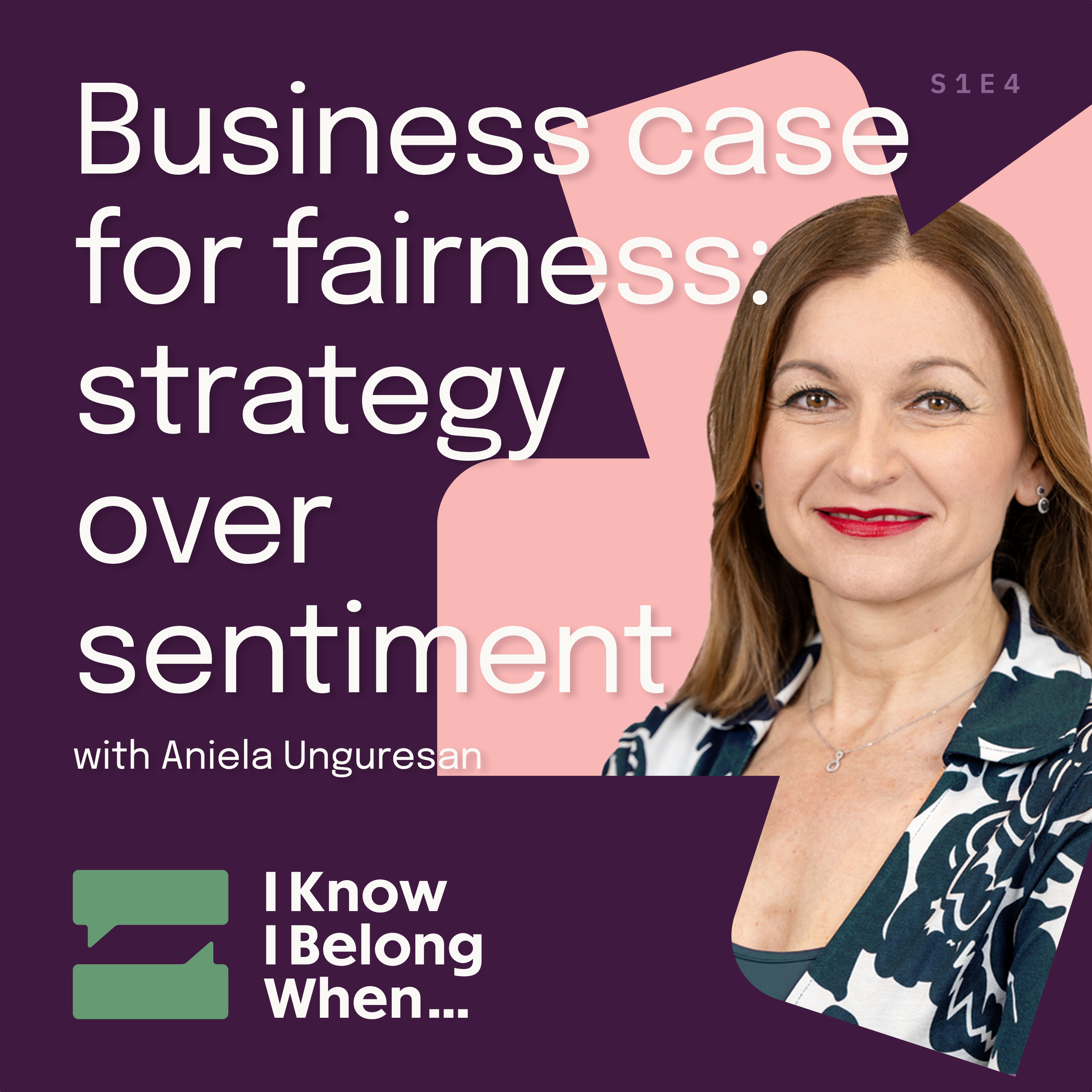
Aniela Unguresan: data-driven fairness drives equitable outcomes
In this edition of “Lessons from IKIBW Podcast,” we explore the teachings from Christopher’s conversation with Aniela Unguresan, founder of the EDGE Certified Foundation and EDGE Strategy, on how fairness, data, and courage can transform not just companies though lives. Aniela’s journey—from international trade to launching a global platform for workplace equity—is a masterclass in building cultures where everyone has the opportunity to succeed.
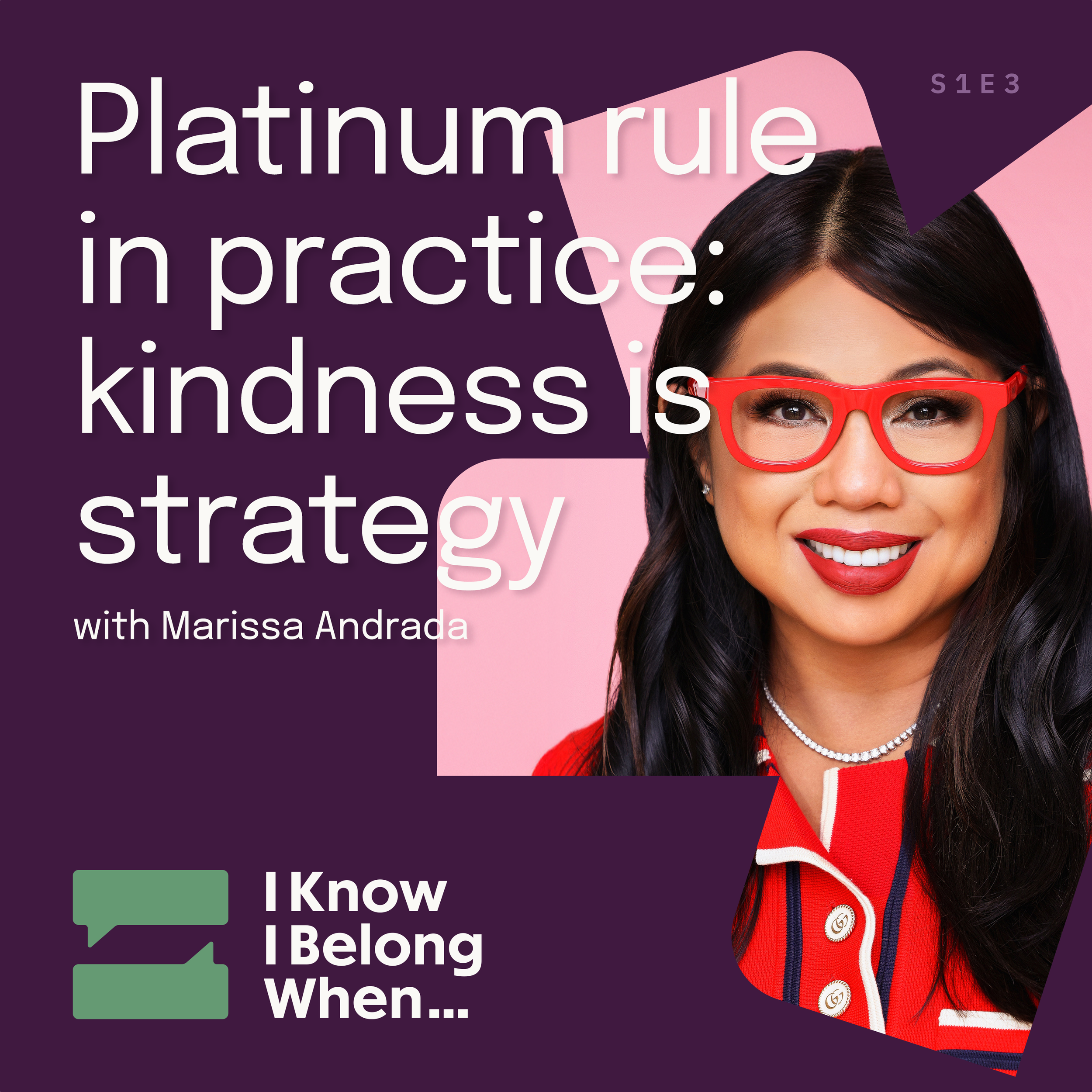
Marissa Andrada: Why kindness & inclusion are strategic decisions
In a world where workplace cultures are under constant scrutiny, Marissa Andrada reminds us that belonging is not a perk: it is a practice. Her conversation on I Know I Belong When... is a masterclass in leading with kindness, honoring identity, and architecting cultures where people thrive. When paired with the Inclusive Behaviors Framework, her insights become actionable strategies for leaders ready to move beyond rhetoric and into results.
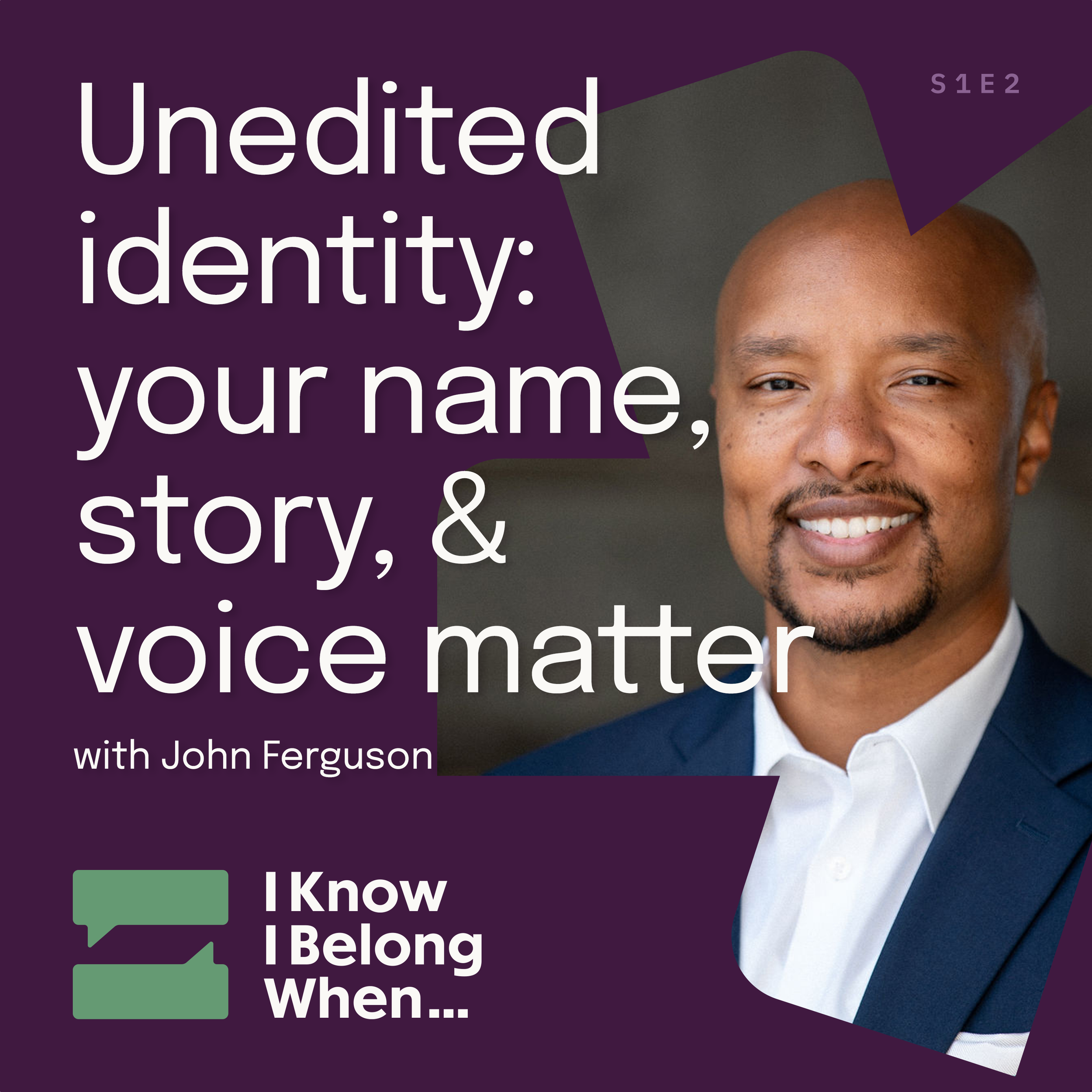
John Ferguson: Unedited excellence
In episode two of “I Know I Belong When,” strategic executive and culture architect John Ferguson explores the concept of belonging at full speed. From NASCAR’s pit lane to boardroom strategy, John’s journey is a masterclass in leading with humanity, humility, and high performance. His reflections on identity, leadership, and legacy provide a roadmap for building cultures where people do not have to edit themselves to fit in—they are invited to show up fully.
When paired with the Inclusive Behaviors Model, John’s insights become a toolkit for leaders ready to engineer equity, amplify authenticity, and accelerate belonging.
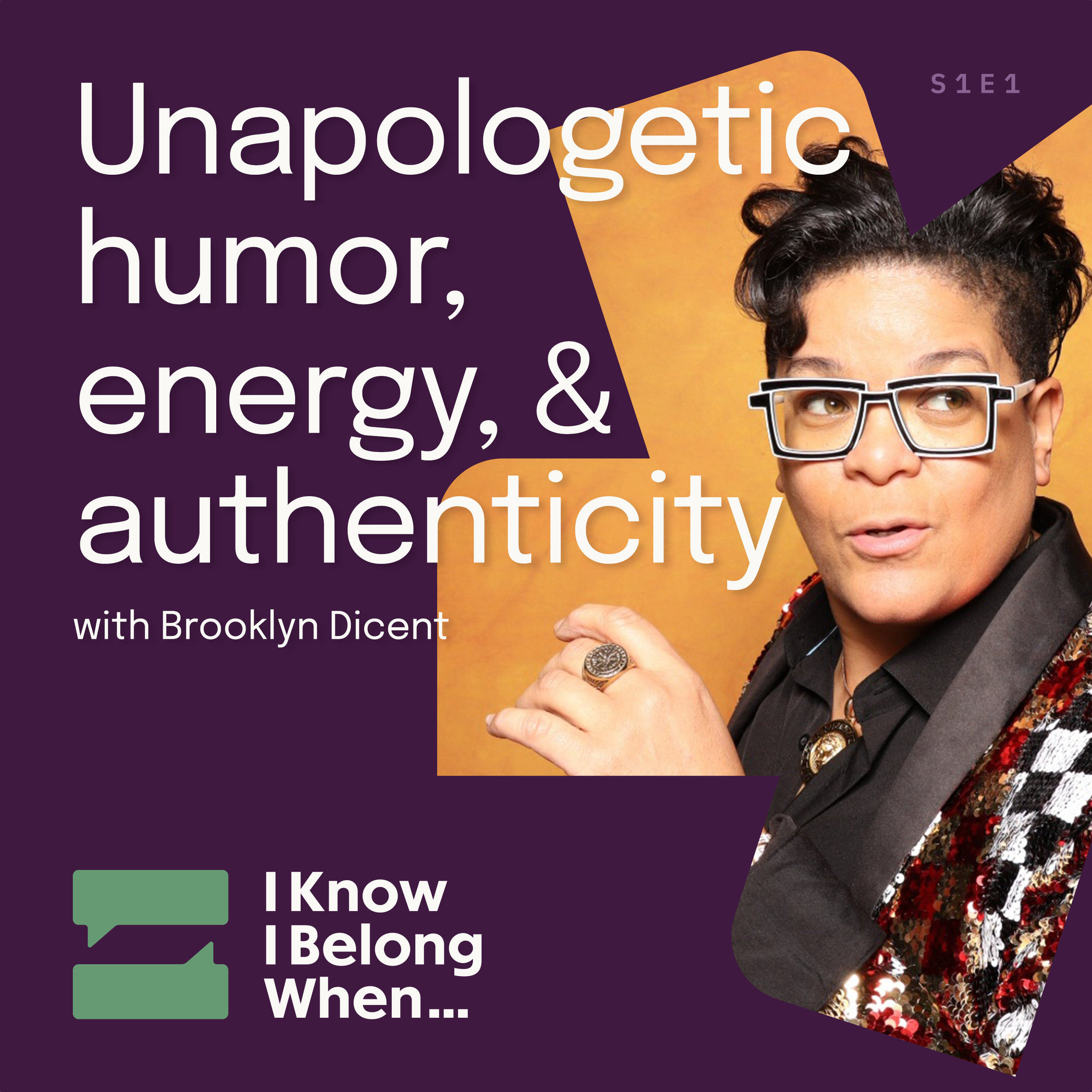
Brooklyn Dicent: Main character energy in life
In the premiere episode of I Know I Belong When, transformational speaker and Chief Happiness Officer, Brooklyn Dicent, unpacks what it means to belong—unapologetically, joyfully, and authentically. Through humor, identity, and radical self-acceptance, Brooklyn offers a masterclass in cultivating cultures where people feel seen, heard, and valued. When paired with the Inclusive Behaviors Model, her insights become a blueprint for leaders and teams ready to build workplaces where belonging is not a buzzword—it is a birthright.